My Story

A personal approach to leather, rooted in French craftsmanship and shaped in Japan.
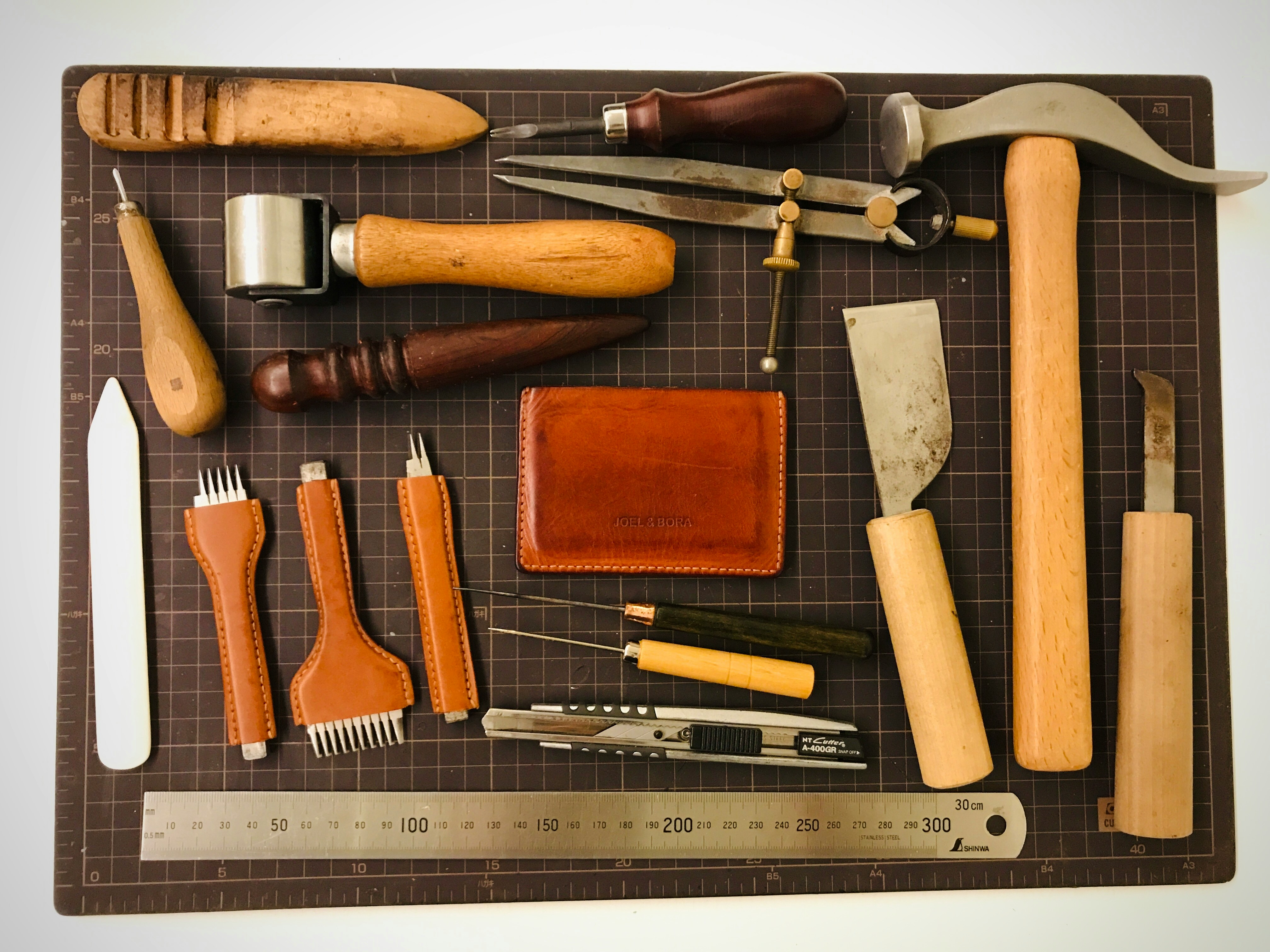
Leatherworking tools arranged on a studio table
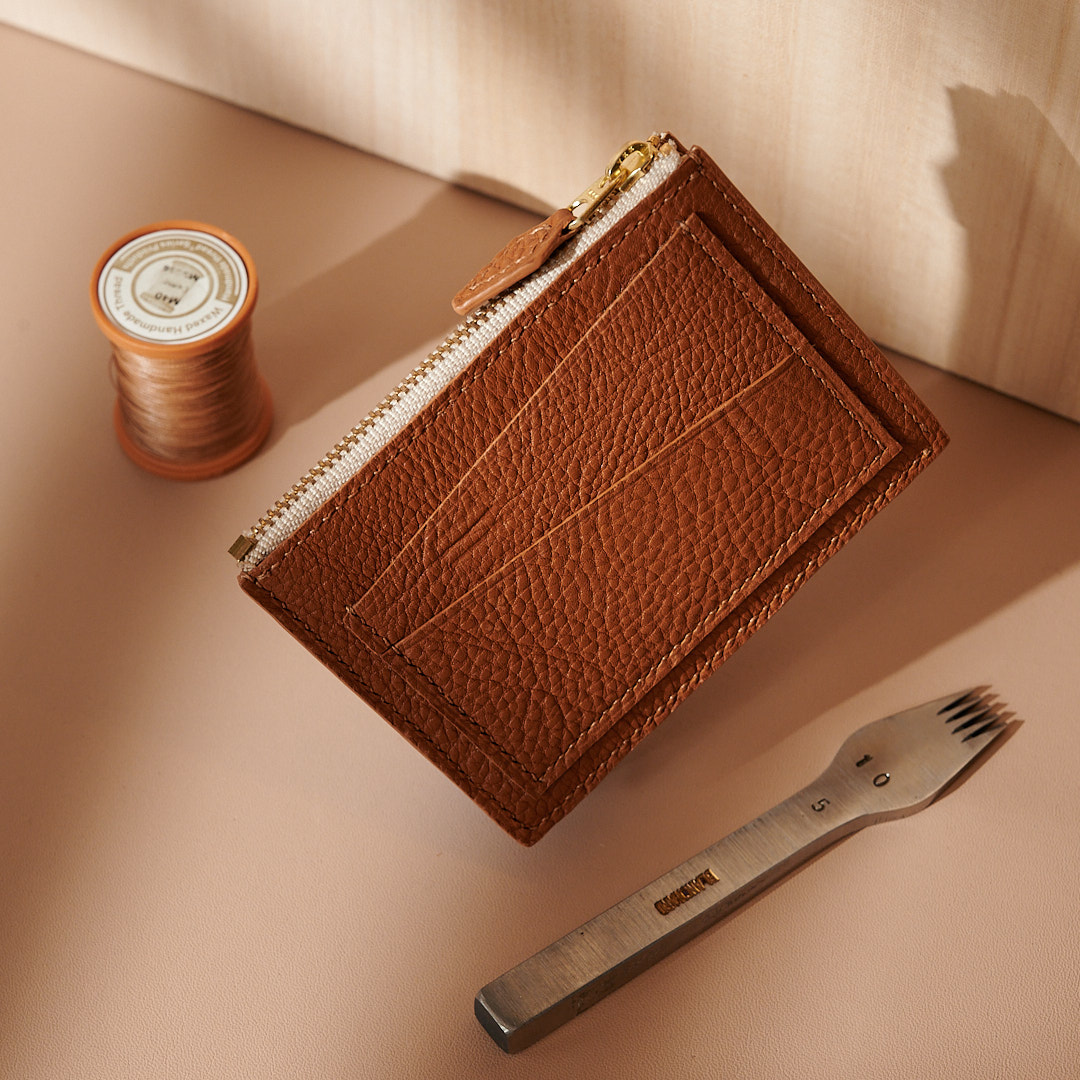
A leather card holder photographed in warm light

A small workshop in Onomichi

Born in France,
between two cultures.

My story begins in France and continues in Japan, between handcraft, daily life, and two cultures I care deeply about.

I was born and raised in Brittany, in France, and moved to Japan right after graduating, where I began working as a software engineer.

Working in software shaped the way I think about precision, structure, and problem-solving, while my long-standing love for fashion and craftsmanship kept pulling me toward physical objects made with care. Leather became the place where those interests could meet.

Today, Atelier Kobune is also my way of building a bridge between French and Japanese cultures: between different materials, gestures, sensibilities, and ways of living with objects.

I am also deeply interested in slow fashion: objects made with patience, meant to age well and stay relevant for years. The name Kobune /ko.bɯ.ne/ comes from that feeling too, a small boat moving slowly, and from my long-standing love for the sea.

Approach

What matters in my work

Good materials, careful making, and close attention to how each piece will be used.

Materials

I try to use good materials, sourced in Japan and France whenever possible. Leather, thread, and hardware should already have a presence before the work even begins.

Making

Hand-stitching and overall quality come first. I would rather take more time than make compromises that weaken the piece or the experience of using it.

Use

Whether a piece is part of the collection or made to order, I pay close attention to function, proportion, and the small details that make it feel right for its owner.

Process

How a piece comes together

Each piece begins with use, takes shape slowly at the bench, and is refined until only the necessary remains.

01

Observe

I begin with routines, pockets, desks, travel, and the small frictions that appear in everyday use.

02

Make

Then comes the work at the bench: cutting, edge finishing, saddle stitching, and adjusting proportions until the piece feels right.

03

Refine

The final pass is about restraint. If a detail does not improve touch, balance, or longevity, it does not stay.

Next

You can continue with the collection, or get in touch for a custom piece.

If something here resonates with you, the next step is simple: explore the pieces, or start a conversation.

See the collectionContact me